

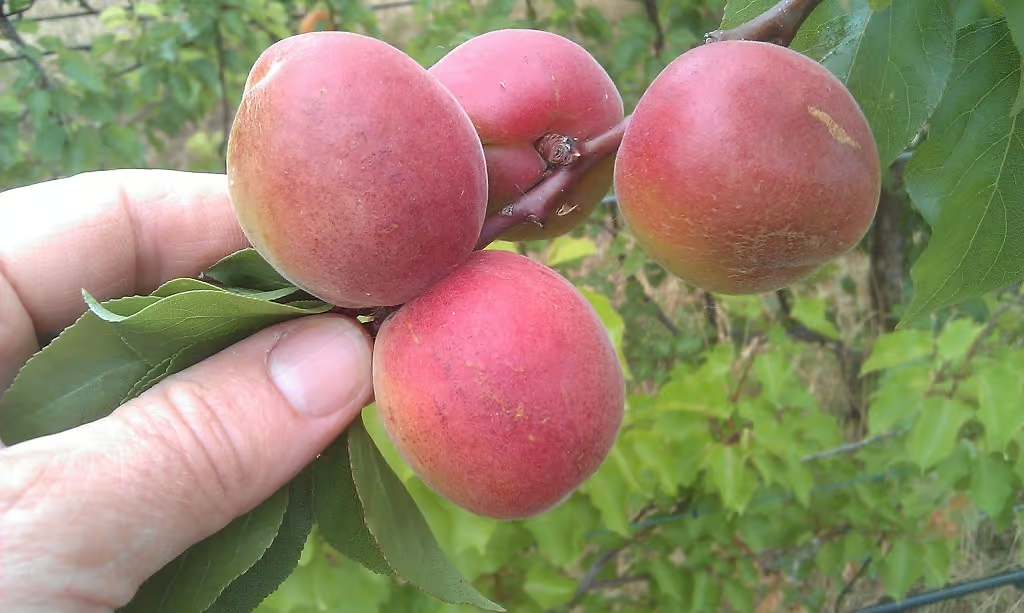
A fruit tree rarely declines without reason. Yellowing leaves, poor blossom, undersized fruit and dieback at the tips are all signs that something is out of balance. In the UK, fluctuating rainfall, compacted soils, late frosts and inconsistent pruning are among the most common causes of stress in apple trees and other orchard favourites. The good news is that most stressed trees can be revived with timely, methodical care.
Gardeners who buy fruit trees often focus on variety and flavour, yet long-term success depends just as much on aftercare. Even established trees can falter after a harsh winter or a dry spring. According to the fruit trees specialists at Fruit-Trees, early diagnosis is critical. They advise that gardeners regularly assess root health, soil condition and canopy structure, noting that many problems stem from planting depth and drainage.
The following seven-step framework outlines how to identify stress factors and restore a tree’s vigour, with practical measures suited to British gardens of all sizes.
Step 1: Diagnose the Source of Stress
Before reaching for fertiliser or secateurs, it is essential to identify what is causing the problem. Tree stress typically arises from one of four areas: water imbalance, soil issues, physical damage, or pests and disease. Each leaves distinct clues.
Water stress is common in both newly planted and mature fruit trees. In dry spells, leaves may curl or develop brown edges, and fruit can drop prematurely. Conversely, waterlogged soil deprives roots of oxygen, leading to yellowing foliage and stunted growth. Heavy clay soils across parts of England and Wales can exacerbate this, especially after prolonged rainfall.
A lack of nutrients or an improper pH are common causes of soil issues. Apples like their soil to be somewhat acidic (pH 6.0 to 7.0) rather than neutral. Important elements like calcium and magnesium are less accessible in overly acidic soil. Compaction is another common problem, especially in lawns with trees encircled by frequently trampled grass. Root growth is limited and water infiltration is decreased in compacted soil.
Physical damage may result from strimmers, rodents, staking ties that are too tight, or winter frost cracks. Even minor bark injuries can interrupt the tree’s vascular system, limiting its ability to transport water and nutrients.
Pests and diseases, including aphids, codling moth and fungal infections such as scab, also weaken trees. The key is to observe patterns. Are the symptoms uniform across the canopy or isolated to one branch? Did they appear suddenly after a weather event? Careful observation allows for targeted action rather than guesswork.
Step 2: Correct Watering and Drainage
Once the cause is narrowed down, the next step is to restore a consistent water regime. In the UK climate, gardeners often underestimate how much water young fruit trees require during dry springs. Newly planted trees need thorough watering, allowing moisture to penetrate deeply into the root zone. A light daily sprinkle is ineffective; a slow, steady soak every week during dry periods is preferable.
For established trees, watering is especially important during blossom and fruit set. Insufficient moisture at this stage can result in poor fruit development and reduced yields. Applying water directly to the soil rather than over the foliage reduces disease risk.
If drainage is the issue, solutions may involve more structural changes. Raised beds or mounded planting areas improve conditions in heavy soils. In severe cases, installing a simple land drain or incorporating organic matter such as well-rotted compost can significantly improve soil structure over time. Avoid piling compost directly against the trunk, as this can encourage rot.
Mulching is one of the most effective ways to stabilise soil moisture. A layer of organic mulch, spread evenly around the base but kept a few centimetres away from the trunk, conserves water in summer and moderates soil temperature in winter. Over time, it also improves soil texture and microbial activity, creating a healthier environment for roots.
Consistency is crucial. Sudden cycles of drought followed by saturation are more damaging than a steady, moderate moisture level. Monitoring rainfall and adjusting accordingly can prevent many stress-related problems from escalating.
Step 3: Improve Soil Health and Nutrition
A stressed tree often reflects depleted or imbalanced soil. Rather than applying general-purpose fertiliser indiscriminately, it is advisable to assess what the soil actually needs. A basic soil test kit can provide information on pH and nutrient levels, guiding more precise amendments.
If the soil is deficient in organic matter, incorporating compost or well-rotted manure into the surrounding area improves both fertility and structure. This encourages beneficial organisms such as earthworms, which enhance aeration and nutrient cycling. For apple trees, balanced fertilisers with moderate nitrogen levels support steady growth without producing excessive soft shoots that are vulnerable to disease.
Magnesium deficiency, sometimes visible as yellowing between leaf veins, can be corrected with Epsom salts applied according to guidance. However, overuse of any amendment can create new imbalances. The goal is gradual improvement rather than rapid forcing of growth.
Grass growing right up to the trunk competes strongly for nutrients and moisture. Creating a clear circle around the base of the tree, ideally at least one metre in diameter for young specimens, reduces competition. This is particularly important in smaller gardens where trees share limited resources.
Soil aeration may also be necessary in compacted areas. Carefully loosening the top layer of soil with a fork, without damaging major roots, allows better water penetration and root respiration. Over time, improved soil conditions will reflect in stronger leaf colour, better blossom formation and more reliable fruiting.
Step 4: Prune with Purpose and Restraint
Pruning is often misunderstood as a purely aesthetic task, yet it plays a central role in reducing stress. Removing dead, diseased or crossing branches improves airflow and light penetration, lowering the risk of fungal problems and encouraging even growth.
Timing matters. For most apple trees in the UK, winter pruning during dormancy shapes the structure, while light summer pruning can help control overly vigorous growth. However, heavy pruning of a stressed tree can exacerbate problems by triggering excessive regrowth. The aim is to restore balance, not shock the tree further.
Start by cutting back dead wood to healthy tissue. Sterilise tools between cuts if disease is suspected. Next, remove branches that rub against each other or grow inwards towards the centre. An open, goblet-shaped canopy is ideal for many traditional apple forms, allowing sunlight to reach developing fruit.
It is also important to assess the graft union, usually visible as a swelling near the base of the trunk. Shoots emerging from below this point should be removed promptly, as they divert energy from the desired variety.
Pruning wounds should be clean and smooth. Avoid leaving stubs, which can invite infection. In most cases, wound sealants are unnecessary; a healthy tree will compartmentalise minor cuts naturally. Thoughtful pruning reduces stress by aligning the tree’s structure with its capacity to support healthy growth.
Step 5: Protect Against Pests and Disease
A weakened tree is more susceptible to attack. Therefore, reviving a stressed tree requires strengthening its natural defences while managing existing threats.
Integrated pest management is preferable to routine chemical spraying. Regular inspection allows early detection of aphids, caterpillars or fungal spots. Washing aphids off with a strong jet of water or encouraging natural predators such as ladybirds can be effective in smaller gardens.
Fungal diseases thrive in damp, poorly ventilated conditions. Ensuring adequate spacing between branches, clearing fallen leaves in autumn and disposing of infected material reduces reinfection risk. Apple scab and canker are particularly problematic in some regions. Pruning out infected wood during dry weather and improving airflow can limit their spread.
Tree guards can prevent bark damage from rabbits and rodents, especially in rural areas. In winter, checking stakes and ties ensures they are not constricting the trunk as it thickens. A tie that is too tight can effectively strangle a young tree, leading to stress symptoms that resemble nutrient deficiency.
Preventative care is generally more effective than reactive treatment. Healthy soil, correct watering and balanced pruning form the foundation of disease resistance. When intervention is necessary, choosing targeted, minimal treatments helps preserve beneficial insects and overall garden ecology.
Step 6: Support Recovery Through Seasonal Care
Reviving a tree is not a single intervention but an ongoing process across the seasons. Spring is the time to monitor blossom and ensure adequate pollination. If late frost is forecast, temporary fleece coverings can protect vulnerable flowers on smaller trees.
During summer, thinning excessive fruit reduces strain on branches and improves the size and quality of the remaining crop. Overburdened branches can snap, causing additional stress and structural damage. Thinning also helps prevent biennial bearing, where a tree produces heavily one year and sparsely the next.
Autumn is an opportunity to tidy the area around the tree, removing fallen fruit and leaves that may harbour disease. Applying a fresh layer of mulch prepares the roots for winter. Avoid high-nitrogen fertilisers late in the season, as they encourage soft growth susceptible to frost damage.
Winter care focuses on structural assessment. Check for storm damage, loosen compacted soil gently if conditions allow, and plan any necessary pruning. Protecting young trunks from frost cracks with suitable wraps in exposed sites can prevent long-term harm.
For those planning to expand their orchard, careful preparation before planting reduces future stress. Selecting appropriate rootstocks, preparing the planting hole thoroughly and ensuring proper staking all contribute to resilience. When gardeners buy fruit trees from reputable nurseries, they benefit from guidance on matching varieties to local conditions, which significantly lowers the likelihood of chronic stress.
Step 7: Monitor, Record and Adjust
The final step is ongoing observation. Keeping simple records of watering, feeding and pruning dates allows gardeners to identify patterns over time. If a tree responds positively to improved drainage or mulching, this confirms the original diagnosis. If not, further investigation may be required.
Trees respond gradually. Visible improvement may take a full growing season, particularly if root health was compromised. Patience, combined with consistent care, is essential. Avoid the temptation to apply multiple remedies simultaneously, as this makes it difficult to determine what is effective.
Photographing the tree at intervals can provide a clear visual record of progress. Comparing leaf colour, canopy density and fruit size year on year helps refine care routines. In community orchards or shared gardens, coordinated management ensures all trees receive consistent attention.
Ultimately, reviving a stressed tree is about restoring equilibrium. Soil, water, light and structure must align with the tree’s natural growth habits. With informed care and regular monitoring, even a declining apple tree can return to productive health, rewarding the gardener with reliable harvests for many seasons to come.
