

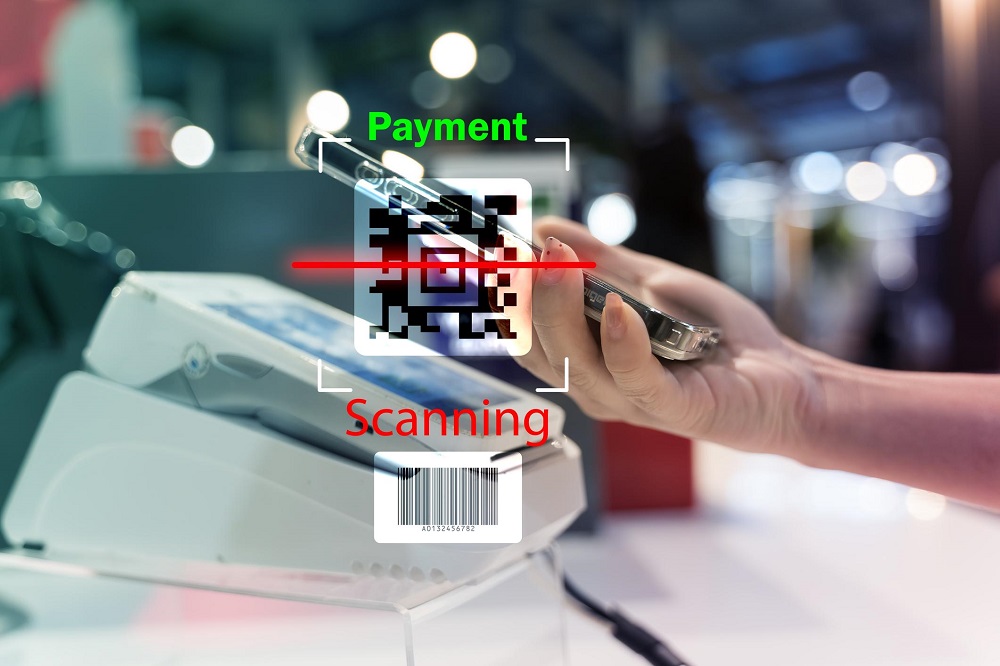
The way people exchange money is changing rapidly. Cash, once the dominant form of payment worldwide, is gradually being replaced by digital and contactless payment methods. From tapping a smartphone at a store to transferring money instantly through mobile apps, the shift toward a cashless economy is accelerating.
Advancements in financial technology, widespread smartphone adoption, and changing consumer preferences are driving this transformation. Governments, banks, and technology companies are also encouraging digital transactions because they improve transparency, efficiency, and security.
As economies modernize, the future of payments will likely be defined by speed, convenience, and seamless digital experiences.
What Are Cashless Payments?
Cashless payments refer to financial transactions conducted without physical currency. Instead of coins or banknotes, payments are made electronically through cards, mobile devices, or online platforms.
Common cashless payment methods include:
- Credit and debit cards
- Mobile wallets
- Contactless (tap-to-pay) systems
- Online banking transfers
- QR code payments
- Cryptocurrency transactions
These technologies allow users to transfer money quickly while reducing the need for handling physical cash.
Key Technologies Driving the Cashless Revolution
Several innovations are shaping the next generation of digital payments.
Mobile Wallets
Mobile wallets have become one of the most popular payment tools. They store payment information securely on smartphones and allow users to pay in stores or online.
Key advantages include:
- Convenience – payments can be completed within seconds
- Integration – loyalty cards, tickets, and banking services can be stored in one place
- Security – biometric authentication such as fingerprints or facial recognition
Contactless Payments
Contactless technology uses Near Field Communication (NFC) to enable tap-to-pay transactions. Customers simply tap their card or smartphone near a payment terminal.
Benefits include:
- Faster checkout times
- Reduced physical contact
- Improved user experience in retail environments
This method became even more popular after the pandemic, when consumers sought touch-free payment options.
QR Code Payments
QR code payments are particularly popular in emerging markets. Customers scan a code with their phone to complete a transaction.
Reasons for rapid adoption include:
- Low cost for merchants
- Easy implementation without advanced hardware
- Compatibility with mobile banking apps
Small businesses and street vendors can accept digital payments with minimal infrastructure.
Blockchain and Digital Currencies
Blockchain technology is introducing new possibilities for payment systems. Digital currencies and decentralized financial networks aim to make transactions:
- Faster across borders
- More transparent
- Less dependent on traditional banking intermediaries
While still evolving, these technologies may significantly influence future payment ecosystems.
Benefits of a Cashless Economy
The transition toward digital payments offers multiple advantages for consumers, businesses, and governments.
Convenience and Speed
Cashless transactions are almost instant. Customers no longer need to carry cash or wait for change, while businesses can process payments faster.
Improved Security
Digital payment systems often include encryption, authentication, and fraud detection tools. Features like biometrics reduce the risk of theft or unauthorized transactions.
Financial Transparency
Electronic transactions create a traceable record, helping governments monitor financial activity and reduce illegal transactions such as tax evasion or money laundering.
Better Financial Inclusion
Mobile payment systems can provide banking access to people who previously lacked traditional financial services. With just a smartphone, users can send or receive money anywhere.
Challenges of Going Fully Cashless
Despite its advantages, the shift toward cashless payments also raises several concerns.
Cybersecurity Risks
Digital payment platforms are vulnerable to hacking, phishing, and data breaches. Strong cybersecurity measures are essential to maintain trust in electronic financial systems.
Digital Divide
Not everyone has access to smartphones, internet connectivity, or banking services. A completely cashless economy could exclude certain populations, especially in rural or low-income areas.
Privacy Concerns
Electronic transactions leave digital trails. Some individuals worry about how companies and governments use financial data collected through payment platforms.
System Dependence
Cashless systems rely heavily on technology. Power outages, network failures, or system glitches can disrupt transactions.
Trends Shaping the Future of Cashless Payments
The next decade will likely bring major developments in payment technologies.
Biometric Authentication
Payments verified through fingerprints, facial recognition, or even voice authentication will become more common. These methods enhance both security and convenience.
Artificial Intelligence in Fraud Detection
Financial institutions increasingly use AI to analyze transaction patterns and detect suspicious activity in real time.
Embedded Payments
Payments are gradually being integrated directly into digital platforms and apps. For example:
- Ride-sharing apps charging automatically after a trip
- Online marketplaces handling payments internally
- Smart devices enabling automated purchases
Central Bank Digital Currencies (CBDCs)
Many governments are exploring digital versions of national currencies issued by central banks. These currencies could combine the convenience of digital payments with the stability of government-backed money.
Will Cash Disappear Completely?
Although digital payments are expanding rapidly, cash is unlikely to vanish entirely in the near future.
Cash still plays an important role because it:
- Works without internet access
- Protects user privacy
- Provides a reliable backup during system failures
Instead of disappearing, cash will likely coexist with digital payment methods, gradually becoming less dominant over time.
Conclusion
Cashless payments are reshaping the global financial landscape. Mobile wallets, contactless technology, QR code payments, and blockchain innovations are making transactions faster and more convenient than ever.
However, the transition to a fully digital economy must address security risks, privacy concerns, and financial inclusion. With the right balance of innovation and regulation, the future of payments will likely be defined by seamless, secure, and widely accessible digital financial systems.
FAQ
1. What is the main advantage of cashless payments?
The biggest advantage is convenience. Digital transactions are faster, easier to track, and eliminate the need to carry physical money.
2. Are cashless payments safe?
Most digital payment systems use encryption, tokenization, and biometric authentication. While generally secure, users should still follow safe practices such as using strong passwords and avoiding suspicious links.
3. Can small businesses benefit from cashless payments?
Yes. Accepting digital payments can increase sales, reduce cash handling costs, and provide better transaction records for accounting.
4. Do cashless systems work without the internet?
Most digital payment methods require internet connectivity. However, some emerging technologies are being developed to enable limited offline transactions.
5. What role do smartphones play in digital payments?
Smartphones act as payment devices through mobile wallets, banking apps, and QR code scanning, making them central to modern cashless ecosystems.
6. Are governments supporting cashless economies?
Many governments encourage digital payments because they increase transparency, reduce tax evasion, and improve financial efficiency.
7. Will cashless payments increase financial inclusion?
If implemented carefully, digital payment platforms can provide financial services to unbanked populations, especially through mobile-based solutions.
