

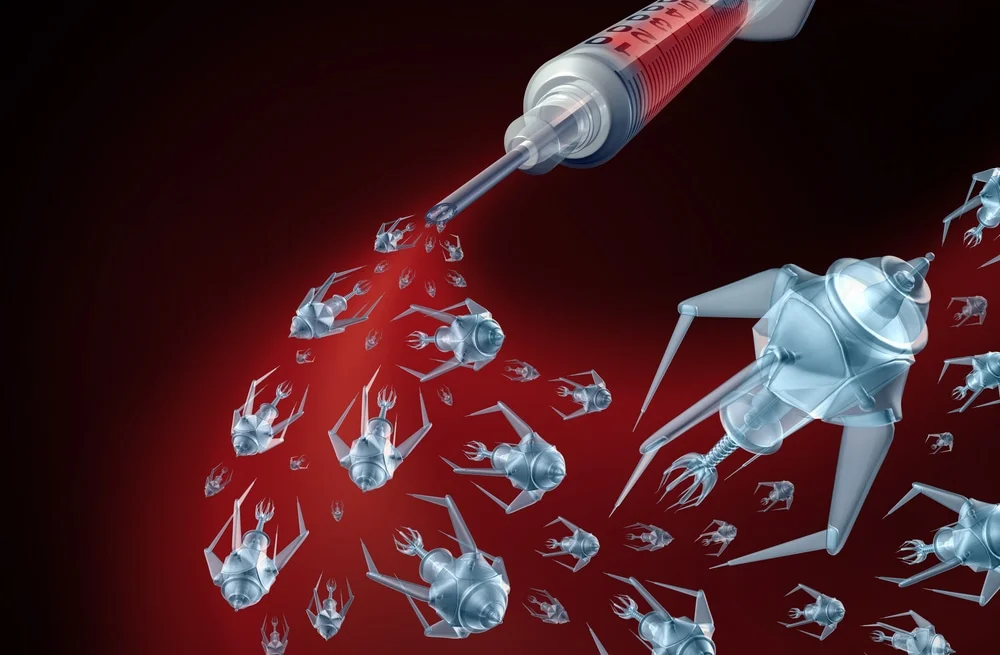
Modern medicine is undergoing a profound transformation, and nanotechnology stands at the center of this revolution. By manipulating materials at the nanoscale (1–100 nanometers)—thousands of times smaller than a human hair—scientists are creating tools capable of interacting directly with cells, viruses, and even individual molecules.
These innovations are changing how diseases are diagnosed, treated, and prevented. Instead of relying solely on conventional drugs or invasive procedures, doctors are increasingly exploring nano-engineered therapies that can target disease with remarkable precision.
From cancer treatment to regenerative medicine, nanotechnology is shaping the next generation of healthcare.
What Is Nanotechnology in Medicine?
Nanotechnology in healthcare—often called nanomedicine—involves designing extremely small structures capable of interacting with biological systems.
At this microscopic scale, materials behave differently than they do in bulk form. Scientists exploit these properties to build nanoparticles, nanosensors, and nanorobots that can perform highly specialized medical tasks.
Key characteristics include:
- Targeted interaction with cells
- Improved drug delivery efficiency
- Enhanced imaging and diagnostics
- Reduced side effects of treatments
By operating at the same scale as viruses and proteins, nanotechnology enables interventions that were previously impossible.
Targeted Drug Delivery Systems
One of the most significant breakthroughs in nanomedicine is targeted drug delivery.
Traditional medications circulate throughout the entire body, often affecting healthy tissues and causing unwanted side effects. Nanoparticles, however, can be engineered to deliver drugs directly to diseased cells.
How It Works
Nanoparticles are coated with molecules that recognize specific receptors on target cells. Once they reach the target site, they release the therapeutic compound.
Benefits
- Higher treatment efficiency
- Reduced drug dosage
- Lower toxicity
- Minimal damage to healthy tissue
This approach is particularly promising in treating cancer, infections, and inflammatory diseases.
Nanotechnology in Cancer Treatment
Cancer therapy has benefited greatly from nanotechnology innovations.
Traditional chemotherapy often harms healthy cells, leading to severe side effects. Nanotechnology allows therapies to identify and attack tumor cells with greater precision.
Key Nanotech Approaches
1. Nanoparticle Chemotherapy
Drug-loaded nanoparticles travel through the bloodstream and accumulate in tumors due to their unique vascular structure.
2. Gold Nanoparticles for Thermal Therapy
Gold nanoparticles can absorb light and convert it into heat. When targeted at tumor cells, they can destroy cancer tissue without harming surrounding cells.
3. RNA Delivery Systems
Nanocarriers can transport genetic material such as siRNA to silence genes responsible for cancer growth.
These strategies are helping scientists develop more personalized and effective cancer treatments.
Early Disease Detection and Diagnostics
Nanotechnology is also transforming medical diagnostics.
Researchers are developing nanosensors capable of detecting extremely small quantities of biological markers associated with diseases.
Examples of Nanotech Diagnostics
- Nano-based blood tests that detect cancer biomarkers earlier than conventional methods
- Quantum dot imaging that provides highly detailed medical imaging
- Wearable nanosensors that continuously monitor health indicators
Early detection significantly improves treatment success rates, especially for conditions like cancer, cardiovascular disease, and neurological disorders.
Regenerative Medicine and Tissue Repair
Another exciting area is the use of nanotechnology in regenerative medicine.
Scientists are designing nano-structured scaffolds that mimic the natural environment of cells. These scaffolds encourage cells to grow and regenerate damaged tissues.
Applications include:
- Bone regeneration
- Skin repair for burns and wounds
- Cardiac tissue repair after heart attacks
- Nerve regeneration
These technologies could eventually enable doctors to restore damaged organs without transplantation.
Nanorobots and Future Medical Applications
Although still largely experimental, medical nanorobots represent a fascinating future direction.
These microscopic machines could potentially travel through the bloodstream and perform highly precise tasks.
Possible future uses include:
- Removing arterial plaque
- Repairing damaged tissues
- Delivering drugs to individual cells
- Destroying harmful pathogens
While practical deployment may take years, research continues to advance rapidly in this field.
Advantages of Nanotechnology in Healthcare
Nanotechnology provides several advantages compared with traditional medical approaches.
Major benefits include:
- Precision targeting of diseases
- Reduced side effects
- Faster treatment responses
- Improved drug stability
- Earlier disease detection
Together, these improvements may lead to more effective and patient-friendly medical treatments.
Challenges and Ethical Considerations
Despite its potential, nanotechnology also presents challenges.
Safety Concerns
Scientists must carefully study how nanoparticles interact with the human body over time. Some materials may accumulate in organs or cause unexpected immune responses.
Regulatory Challenges
Because nanomedicine is relatively new, regulatory frameworks must evolve to ensure safety, efficacy, and ethical use.
Cost and Accessibility
Advanced nanotech treatments may initially be expensive, raising concerns about global healthcare accessibility.
Addressing these challenges will be essential as nanotechnology becomes more integrated into modern medicine.
The Future of Nanomedicine
The future of healthcare is likely to be deeply connected with nanotechnology. Researchers worldwide are developing smarter nanoparticles, advanced biosensors, and programmable nanorobots that could revolutionize disease management.
Potential developments include:
- Personalized nano-drug therapies
- Nano-enabled vaccines
- Real-time disease monitoring systems
- Precision gene-editing delivery systems
As these innovations mature, nanotechnology could shift medicine from reactive treatment to proactive, highly targeted healthcare.
Frequently Asked Questions (FAQs)
1. What is nanotechnology in medicine?
Nanotechnology in medicine refers to the use of nanoscale materials and devices to diagnose, treat, and prevent diseases more effectively.
2. How small are nanoparticles used in medical treatments?
Medical nanoparticles typically range between 1 and 100 nanometers, which is thousands of times smaller than the width of a human hair.
3. Is nanotechnology already used in current medical treatments?
Yes. Several nano-based drug delivery systems, imaging tools, and vaccines are already used in modern medicine.
4. How does nanotechnology help in cancer treatment?
Nanotechnology allows drugs to target cancer cells directly, reducing damage to healthy tissues and improving treatment effectiveness.
5. Are nanotechnology-based treatments safe?
Most approved nanomedicine treatments undergo extensive safety testing, but long-term effects are still being studied.
6. What are nanorobots in medicine?
Nanorobots are tiny machines designed to perform medical tasks inside the human body, such as delivering drugs or repairing tissues.
7. What diseases can nanotechnology help treat in the future?
Nanotechnology shows promise for treating cancer, heart disease, infections, neurological disorders, and genetic diseases.
